Ogden Lawn Mowing Tip


Hi, James with tuxedo yard care. Today I want to talk with you about mowing directions and why we change directions each time we mow and why it’s so important. So the number one reason is it’s going to prevent running. If you go the same direction each and every week, it’s going to run the lawn over time and you don’t want that number two reason is it’s going to cause the grass to lay down over time and you don’t want that either. So by changing directions that help keep the lawn from laying down and staying upright. So number three reason is you get a cool checkerboard pattern going on. A lot of times like you can see on this lawn that we mowed just yesterday behind me.


Sometimes we got a really tiny area, it doesn’t make sense to change directions, you’ll do more harm than good and really tight areas. But in most areas, it makes sense to change direction. It’s healthy for the lawn, and you can get some cool designs out of it. So that’s it for today. Have a great day. We’ll see you later. Bye

Check Out Other Related Blogs Posts!

Core Aeration

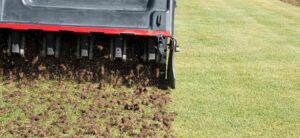
What Is Aeration?

Aeration is essential for a lush lawn, as it loosens compacted soil, allowing grass to breathe, absorb nutrients, and access water and sunlight. Learn how aeration boosts your lawn, the causes of soil compaction, and the differences between liquid and core aeration. Whether you DIY or hire a pro, discover effective ways to maintain a vibrant lawn year-round!

winter lawn care

Winter Fertilization Will Save Your Lawn Next Spring

It’s the middle of winter, and you’re probably not thinking about your lawn. But, believe it or not, this is the time to start thinking about next year’s lawn care needs! One of the most important things you can do to prepare your lawn for winter is fertilize it. Read on to learn about the benefits of winter lawn fertilization!

sprinkler winterization

How To Winterize Your Sprinkler System

As winter’s chill approaches, it’s time to think about protecting your valuable sprinkler system from the freezing temperatures that can wreak havoc on its components.